



Seasonal Skincare in India: How to Adjust Your Routine for Summer & Winter
Your skincare routine shouldn't stay the same all year. Ignoring seasonal changes leads to breakouts in summer and dryness in winter. Seasonal skincare in India is about adjusting products, textures, and hydration levels based on climate — not replacing everything. Done right, it maintains balanced, healthy skin throughout the year.
Why Most Skincare Routines Fail Seasonally
You found a routine that works. Your skin feels balanced. Then summer hits, and suddenly you're breaking out. Or winter arrives and your face feels tight and flaky within days.
Nothing changed except the weather. But that's exactly the problem.
Most people build a skincare routine once and stick to it all year, assuming consistency means using the same products regardless of season. A proper summer skincare routine in India looks completely different from a winter one—India's hot and humid summers drive excess oil production and clogged pores, while cold and dry winters strip moisture and increase sensitivity.
The same moisturizer that saved your skin in December will trigger breakouts in May.
The biggest misconception: "If a product works once, it should work all year." Seasonal skincare isn't about replacing everything — it's about making small, targeted adjustments to textures and hydration levels as your environment shifts.
How India's Seasons Change Your Skin
Your skin barrier constantly adapts to environmental conditions. Understanding what each season does to your skin makes the adjustments obvious.
Summer: Heat increases sweat and sebum production. Higher humidity in many regions prevents moisture evaporation but also traps oil and bacteria against the skin. More UV exposure accelerates pigmentation and damage. Result: clogged pores, breakouts, oiliness, and uneven texture.
Winter: Low humidity and cold air strip moisture faster than skin can replenish it. Natural oil production slows down. Indoor heating further dehydrates the skin. Result: tightness, flakiness, heightened sensitivity, and a dull complexion.
Monsoon and transitions: The period between seasons is often the most unpredictable—humidity fluctuates, oil production adjusts, and skin becomes reactive. This is when most people experience sudden breakouts or unexpected dryness without a clear cause.
Your routine must match these changes in oil production, moisture loss rate, and environmental exposure—not stay frozen at what worked three months ago.
Summer vs Winter Skincare: What Actually Changes
Before adjusting your routine, it's worth understanding exactly which steps to change—so you're making informed swaps, not guessing.
| Feature | Summer Routine | Winter Routine |
|---|---|---|
| Cleanser | Gel-based, thorough | Cream-based, gentle |
| Moisturizer | Lightweight gel or fluid | Rich cream, barrier-support |
| Facial Oils | Minimal — 1 drop max | Essential final sealing step |
| Primary Concern | Oil control, pore clarity | Deep hydration, barrier repair |
| Exfoliation | Once weekly, gentle | Reduce or pause completely |
| Sunscreen | Daily, SPF 50 | Daily, SPF 30 minimum |
The key shift isn't just product heaviness—it's the entire purpose of each step. Summer is about control and clarity. Winter is about nourishment and sealing.
5 Seasonal Mistakes Blocking Your Results
1. Using Heavy Creams in Summer
Thick moisturizers in humid weather trap sebum and bacteria, leading directly to clogged pores and acne. Fix: switch to a lightweight gel or fluid formula when temperatures rise.
2. Skipping Moisturizer in Summer Because Skin Feels Oily
Dehydrated skin produces more oil to compensate. Skipping moisturizer worsens oiliness, not reduces it. Fix: use lightweight hydration — never skip entirely.
3. Continuing Your Summer Routine Through Winter
Light products that controlled oil in May don't provide enough protection against cold-weather moisture loss. Fix: add a richer moisturizer and a sealing oil as the final step.
4. Ignoring Sunscreen in Winter
UV rays penetrate clouds and cause pigmentation year-round. Skipping SPF in winter is one of the most common causes of uneven tone that builds up slowly and visibly. Fix: SPF daily, regardless of season or perceived sun exposure.
5. Over-Exfoliating During Seasonal Transitions
Skin is most reactive during shifts between seasons. Increasing exfoliation at this point weakens the barrier and triggers sensitivity. Fix: reduce exfoliation to once every 10 days during transition periods.
Real Results: What Customers Experienced
★★★★★
"My skin was perfectly fine in winter but broke out every May without fail. Switching to a gel moisturizer and dropping my facial oil in summer completely stopped the seasonal acne cycle. It took two weeks to stabilize."
— Priya, 28, Mumbai★★★★★
"Winter in Delhi dried my skin out completely despite using the same products that worked in October. Added a richer moisturizer and the Green Coffee Blemish Clear Cream as a transition step. Dryness resolved within 10 days."
— Meera, 33, Delhi★★★★★
"I didn't realize I was over-exfoliating during the monsoon transition. Cutting back to once every 10 days stopped the sudden sensitivity flares I'd been getting every year."
— Ananya, 26, BangaloreWhere Green Coffee Blemish Clear Cream Fits
Seasonal transitions—particularly the shift from winter to summer—are the hardest period to manage. Skin is adjusting between two opposite states, and most products are optimized for one extreme or the other.
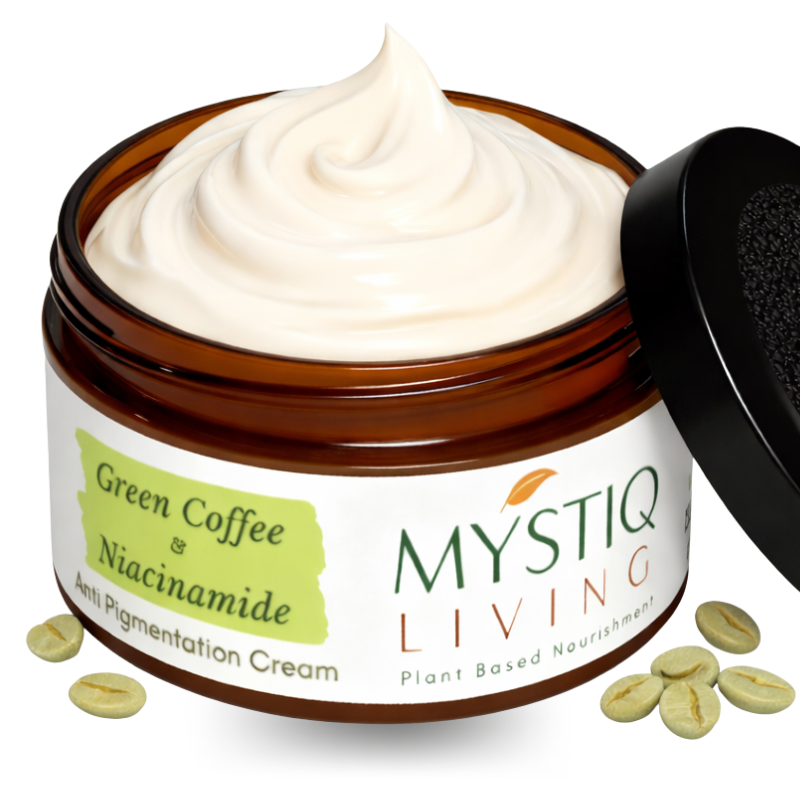
Mystiq Living Green Coffee Blemish Clear Cream sits in the middle—lightweight enough to use in warmer weather without clogging pores and hydrating enough to support skin during cooler months. Its blemish-clearing action addresses the breakouts that commonly appear during seasonal transitions, while its balanced texture avoids the heaviness that triggers summer congestion.
Used after serum and before sunscreen in the morning, or as the final moisturizing step at night, it works as a year-round anchor product that requires no seasonal swap.
Best for: Combination, acne-prone, or seasonally reactive skin. Particularly effective during summer and transition periods.
Use with caution if you have extremely dry skin in winter—layer a richer moisturizer underneath it during peak cold months. For winter skincare for dry skin, adding a nourishing sealing oil as the final step provides the extra barrier support dry skin needs in colder months.
Step-by-Step Seasonal Routines
Summer Routine
Gel cleanser → Lightweight toner (optional) → Hydrating serum → Lightweight gel moisturizer or blemish cream → Sunscreen SPF 50
Winter Routine
Cream cleanser → Hydrating toner → Nourishing serum → Rich moisturizer → Blemish cream → Sealing facial oil (optional) → Sunscreen SPF 30
💡 Transition gradually — swap one product at a time over two weeks, not everything at once.
⚠️ Never introduce multiple new products simultaneously during seasonal shifts — skin needs time to adjust.
Realistic Results Timeline
| Timeline | What You'll Notice |
|---|---|
| Week 1–2 | Reduced seasonal irritation and fewer reactive flare-ups |
| Week 3–4 | Balanced oil production and improved hydration levels |
| Week 5–6 | Improved texture, clarity, and consistent skin tone |
Small, timely adjustments consistently outperform complete product overhauls.
Myths vs Facts
| Myth | Fact |
|---|---|
| Oily skin doesn't need moisturizer in summer | Skipping moisturizer increases compensatory oil production |
| Winter skincare is only for dry skin | All skin types lose moisture faster in cold, dry air |
| Sunscreen is only necessary in summer | UV damage accumulates year-round regardless of temperature |
| Changing products frequently improves skin | Stability within each season matters more than frequent switching |
Frequently Asked Questions
Q. How much of my routine needs to change between seasons?
A. Usually just two products — your moisturizer and cleanser. Serums, treatments, and sunscreen often remain consistent. Start with texture swaps before changing anything else.
Q. Why does my skin break out during seasonal transitions?
A. Oil production and moisture levels adjust at different rates during transitions, creating temporary imbalance that clogs pores. Gradual product adjustment and reduced exfoliation prevent most transition breakouts.
Q. Can I use the same oil year-round?
A. In summer, use facial oil minimally or skip entirely for oily skin. In winter, a sealing oil as the final step is often essential for all skin types. Adjust quantity before changing the oil itself.
Q. Is the Green Coffee Blemish Clear Cream suitable for winter?
A. Yes — its balanced hydration works across seasons. In peak winter, layer a richer moisturizer underneath it for additional barrier support.
Final Takeaway
Healthy skin in India isn't about finding one perfect routine—it's about adapting intelligently as your environment changes. Summer needs control and lightness. Winter needs nourishment and sealing. Transitions need patience and reduced intervention.
The secret to consistent skin isn't complexity—it's making the right small adjustments at the right time.
Seasonal skincare isn't about doing more — it's about doing the right thing at the right time.
Skin is a living ecosystem.
Not a problem to be corrected.
While the beauty industry pushes stronger acids and aggressive actives, the real cost is skin that becomes reactive, dependent, and sensitive over time. We've taken a different path — one that works with your skin, not against it.