



Why Your Hair Oil Isn't Showing Results: 5 Mistakes You Need to Fix
Is your hair oil not working despite regular use? The problem isn't the oil — it's the method. Poor scalp prep, the wrong oil choice, and incorrect application block results. Fix these, and you'll see a visible difference within 4–8 weeks.
Why Your Routine Isn't Working
You oil consistently. You've switched products multiple times. You follow what you see online. And yet, the hair fall continues, dryness doesn't go away, and nothing visibly improves.
This pattern is more common than you think, and it's almost never the oil's fault.
These mistakes in your hair oiling routine are what's actually blocking your results—not the quality of your products. Hair oiling works only when your scalp is clean enough to absorb nutrients, the oil matches your hair type, and your application method supports penetration. If even one of these is off, the oil sits on the surface and delivers nothing.
How Hair Oiling Actually Works
Hair oils don't grow hair — they create the right environment for growth to happen.
There are two types of oils, and knowing the difference changes everything:
Penetrating oils enter the hair shaft and work from within. They reduce protein loss, strengthen roots, and nourish follicles deeply. Examples: kalonji oil, coconut oil, and olive oil.
Sealant oils sit on the surface and lock in existing moisture. They add shine but don't nourish deeply. Examples: castor oil, argan oil, jojoba oil.
The correct order is penetration first, sealing second. If your scalp has product buildup, excess sebum, or clogged follicles, even the best penetrating oil cannot reach the roots. Unchecked follicle buildup doesn't just block oil absorption — it directly accelerates hair loss over time. This is the single biggest reason your routine isn't delivering — the oil never actually gets in.
Which Oil Do You Actually Need?
Before building a routine, it's worth understanding how popular oils compare—so your choice is based on your actual concern, not just what's trending.
| Oil | Best For | Type | Scalp-Friendly |
|---|---|---|---|
| Kalonji (Black Seed) | Hair fall, weak roots | Medium penetrating | ✅ Yes |
| Rosemary | Thinning, slow growth | Lightweight penetrating | ✅ Yes |
| Coconut | Dryness, breakage | Deep penetrating | ✅ Yes |
| Castor | Low density, thickness | Heavy sealant | ⚠ Can clog pores |
For most Indian hair types dealing with hair fall, kalonji oil for hair fall combined with rosemary outperforms any single-oil routine. Kalonji strengthens the root; rosemary activates the follicle. They target different parts of the same problem, which is why combining them delivers faster, more visible results.
5 Mistakes Blocking Your Results
1. Applying Oil on a Dirty Scalp
Product residue, sweat, and excess sebum block follicles. Oil sits on top of the buildup instead of absorbing. Fix: Always apply on a clean or lightly water-rinsed scalp.
2. Leaving Oil Overnight
After 90 minutes, absorption is largely complete. Overnight oiling adds 6–8 unnecessary hours, increasing risk of clogged pores and scalp inflammation—especially for oily or acne-prone skin. Fix: 45–90 minutes is the effective window.
3. Massaging Too Aggressively
Vigorous rubbing causes mechanical damage to the hair shaft and weakens roots over time. The goal is improved circulation, not scrubbing. Fix: Gentle circular motions with fingertips only — no nails or palms.
4. Using the Wrong Oil for Your Hair Type
Heavy sealant oils on fine hair clog follicles. Lightweight oils on coarse, dry hair undernourish it. Fix: Match your oil to your hair's porosity and primary concern, not just popularity.
5. Using Heat-Processed or Mineral Oil-Based Products
Heat processing destroys active compounds. Mineral oil coats hair without absorbing—it creates surface shine while blocking real nourishment. Fix: Always choose cold-pressed, 100% pure formulations and check your labels.
Where These Oils Fit Your Routine
If you're trying to fix your hair oil routine, the quality and combination of your oils matter as much as technique.
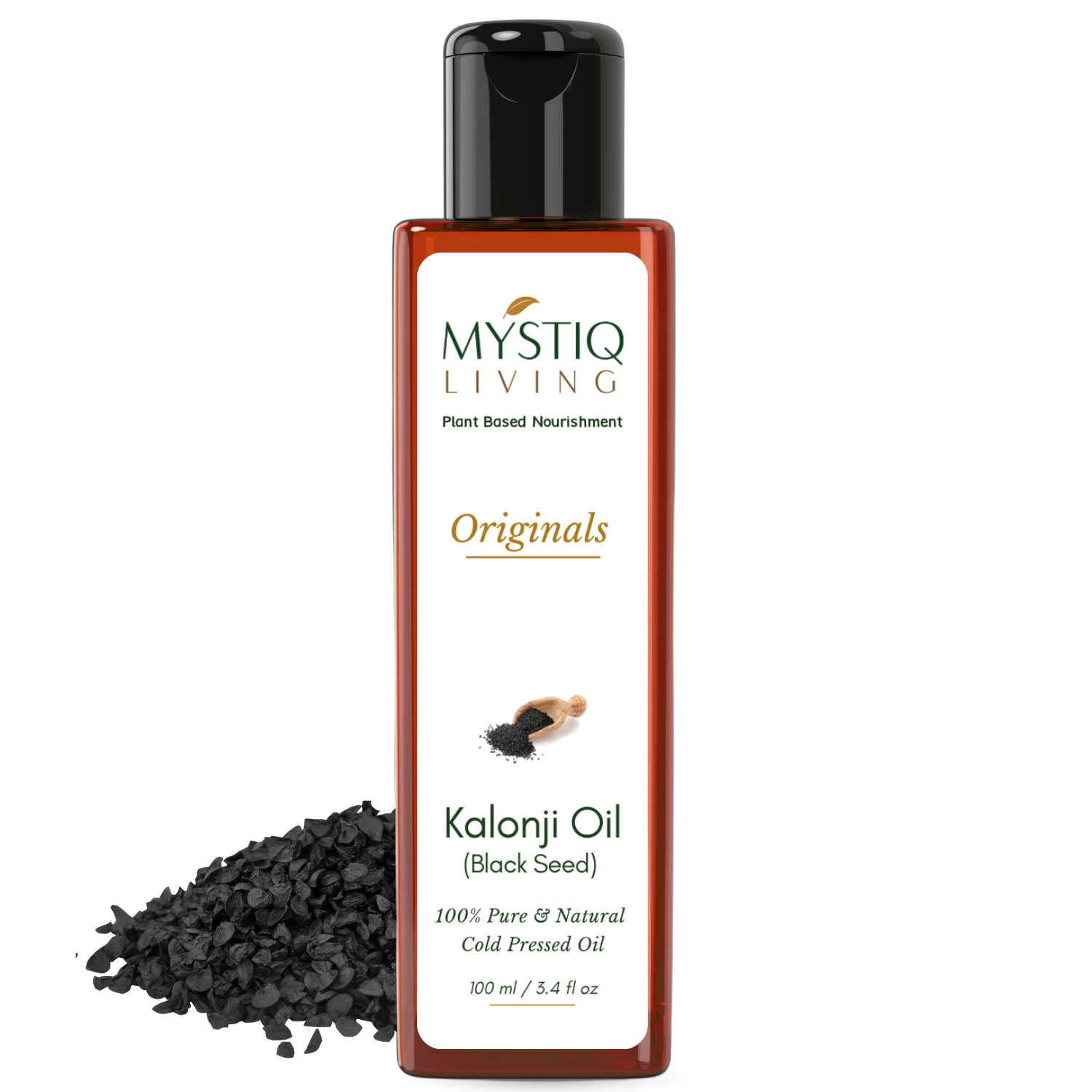
Mystiq Living Kalonji Oil — cold-pressed, 100% pure, no mineral oil additives. Use it as your base oil to reduce shedding and strengthen follicles from within.
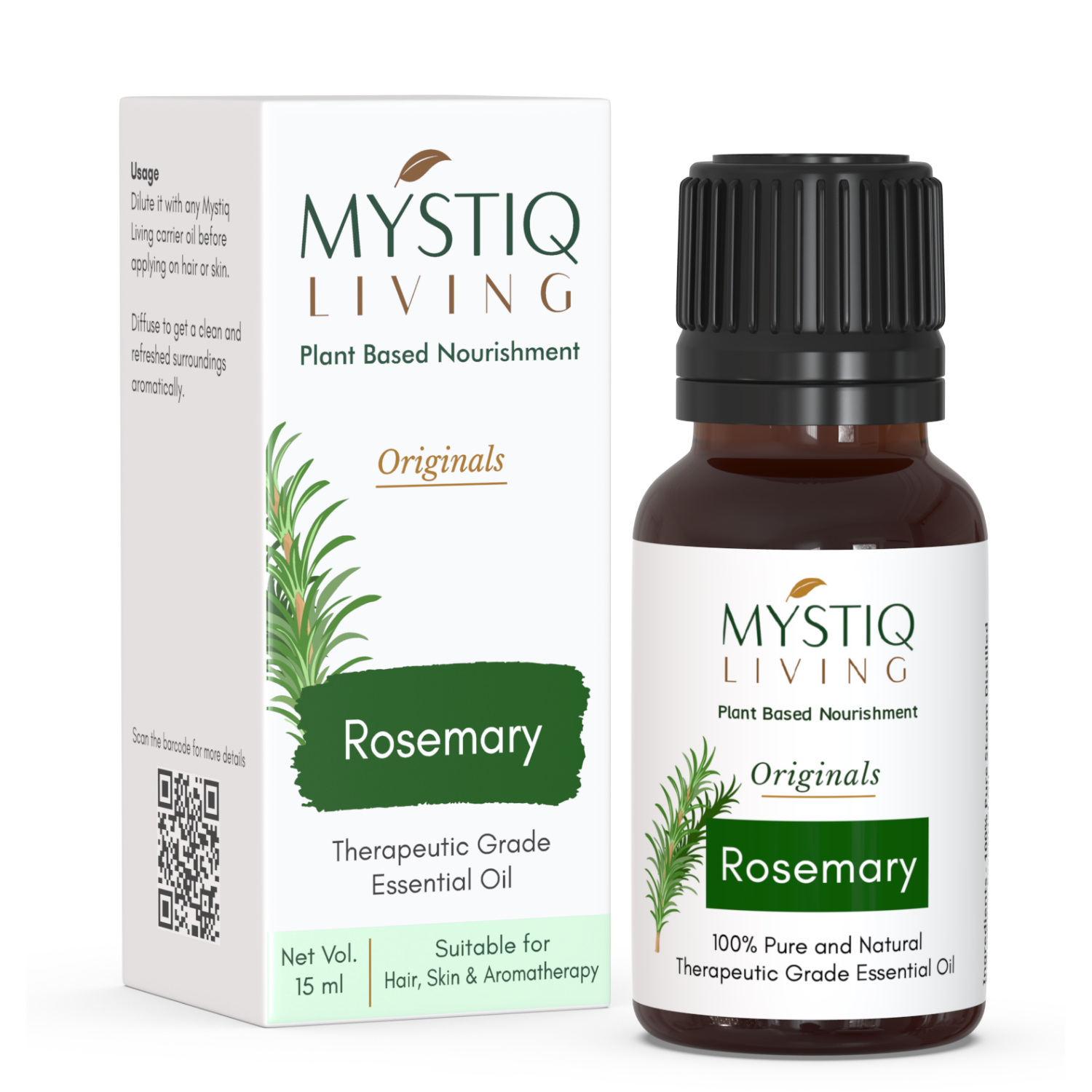
Mystiq Living Rosemary Oil — 100% pure, no fillers. Mix 2–3 drops into kalonji oil before each session to stimulate follicles and improve scalp circulation.
Best for: Consistent hair fall, thinning hair, weak or slow-growing hair, and dandruff-prone scalps.
Use with caution if: you have a very oily scalp, acne-prone skin, or an active scalp infection.
How to Use It Correctly
- Detangle your hair before applying—never oil tangled hair
- Warm the oil slightly—warm oil absorbs better than cold
- Mix 2–3 drops rosemary oil into 1 tablespoon kalonji oil
- Section hair and apply directly to the scalp, not just the lengths
- Massage gently with circular fingertip motions for 5–7 minutes
- Leave for 45–90 minutes
- Wash with a mild, sulphate-free shampoo
💡 Apply on slightly damp hair for better penetration.
⚠️ Never oil a sweaty, unwashed, or heavily product-loaded scalp.
Realistic Results Timeline
| Timeline | What You'll Notice |
|---|---|
| Week 1–2 | Softer texture, reduced dryness, less scalp irritation |
| Week 3–4 | Less hair fall during combing and washing |
| Week 6–8 | Improved thickness and density near the roots |
Two to three correctly done sessions per week will outperform daily oiling with the wrong method every time.
Real Results: What Customers Experienced
★★★★★
"Switched to kalonji oil and stopped overnight oiling. Hair fall during combing reduced noticeably by week 3. By week 6 my ponytail felt visibly thicker."
— Priya, 28, Delhi★★★★★
"Scalp itching stopped within 2 weeks of using rosemary and kalonji twice a week. Hair fall slowed significantly by week 4."
— Meera, 34, Bangalore★★★★★
"I kept switching products thinking that was the problem. Fixing my application method made more difference than any product change I'd tried before."
— Ananya, 22, PuneThe common thread: the method changed first. The results followed.
Myths vs Facts
| Myth | Fact |
|---|---|
| More oil equals better results | Excess oil causes buildup and blocks follicles |
| Overnight oiling is best | 45–90 minutes is more effective |
| Oil fixes split ends | Only trimming does—oil prevents future damage |
| Expensive oils work better | Extraction method matters more than price |
| Switch oils if it's not working | Fix your technique first—that's almost always the real issue |
Frequently Asked Questions
Q. Why is my hair oil not working after months of use?
A. Almost always a method issue — dirty scalp, wrong duration, or aggressive massage. Fix the technique before assuming the product is wrong.
Q. Is castor oil better than kalonji for hair fall?
A. Castor oil is a heavy sealant—good for thickness but can clog follicles over time. Kalonji penetrates to the follicle level, making it more directly effective for hair fall.
Q. How often should I oil my hair?
A. 2–3 times per week. Over-oiling forces frequent washing, which strips natural oils and worsens the problem you're trying to solve.
Q. Can I use kalonji and rosemary oil together?
A. Yes — and it's more effective than either alone. Mix before applying; don't alternate between sessions.
Final Takeaway
If your hair oil routine isn't delivering results, you're likely one method correction away from real change. A clean scalp, the right oil combination, and correct application will consistently outperform any product switch.
Hair care isn't about doing more — it's about doing it right.
Skin is a living ecosystem.
Not a problem to be corrected.
While the beauty industry pushes stronger acids and aggressive actives, the real cost is skin that becomes reactive, dependent, and sensitive over time. We've taken a different path — one that works with your skin, not against it.